
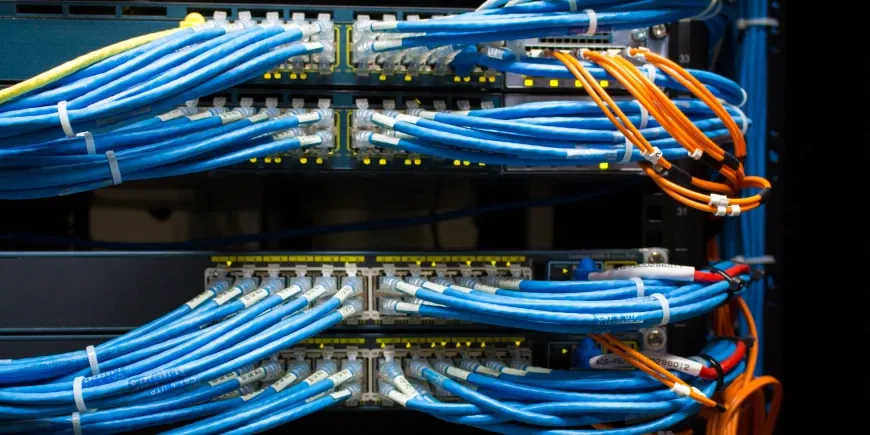
Modern CCTV systems rely on more than high-quality cameras and recording devices. Behind every reliable surveillance setup is a well-designed Structured Cabling infrastructure that supports stable connectivity, efficient data transmission and long-term scalability.
Many CCTV performance issues are not caused by the cameras themselves. Instead, problems often originate from poor cabling design, weak network infrastructure, or improperly installed connections.
Businesses and property owners investing in professional Security System installation Services in Canada increasingly recognize the importance of strong infrastructure for reliable surveillance performance.
Whether managing a retail business in Halifax, a healthcare facility in Ottawa, or an industrial property in Calgary, properly installed cabling systems are essential for maintaining dependable security operations.
What Is Structured Cabling?
Structured Cabling is an organized cabling framework that supports communication systems, data networks and security infrastructure within a building or facility.
Instead of using disconnected or temporary wiring methods, structured systems provide a standardized approach to network and device connectivity.
These systems commonly support:
- CCTV systems
- IP Camera networks
- Access control systems
- Voice and data communication
- Wireless networking
- Building automation systems
A properly planned Structured Cabling Infrastructure creates a reliable foundation for connected technologies.
Why Structured Cabling Matters for CCTV Systems
Modern surveillance systems generate large amounts of video data that must move continuously across networks without interruption.
Poor-quality cabling can lead to:
- Video lag
- Signal loss
- Camera outages
- Reduced image quality
- Network instability
- Difficult troubleshooting
Professional Structured Cabling Installation helps prevent these issues while improving long-term system reliability.
Supports Stable Video Transmission
Reliable CCTV performance depends on stable data transmission.
Commercial surveillance systems often operate 24/7, requiring uninterrupted communication between cameras, recorders and monitoring platforms.
Structured Network Cabling helps maintain:
- Consistent video streams
- Faster data transfer
- Reduced latency
- Improved remote monitoring
- Stable network performance
This is especially important for high-resolution IP camera systems used in commercial and industrial environments.
Improves Scalability for Future Expansion
Security needs change as businesses grow.
A properly designed Structured Cabling Service allows organizations to expand surveillance systems without replacing existing infrastructure.
Scalable Cabling Benefits Include:
- Easier camera additions
- Simplified network upgrades
- Better device integration
- Reduced future installation costs
- Support for multi-site operations
Businesses planning long-term growth benefit from infrastructure designed for future expansion.
Reduces Downtime and Maintenance Issues
Poorly installed cabling is one of the most common causes of CCTV failures.
Disorganized wiring can create:
- Cable damage
- Signal interference
- Loose connections
- Troubleshooting delays
- Equipment instability
Professional Commercial Structured Cabling improves cable organization and simplifies maintenance.
Structured systems also allow technicians to identify and resolve problems more quickly when issues occur.
Enhances Network Performance for IP Cameras
Modern CCTV systems increasingly rely on IP-based surveillance technology.
IP cameras require stable bandwidth and reliable network connectivity to function properly.
Structured Cabling Solutions help optimize:
- Network speed
- Data reliability
- Remote access performance
- Video storage communication
- Cloud surveillance connectivity
This becomes critical in facilities using multiple high-resolution cameras simultaneously.
Supports Better System Integration
Today’s commercial properties often integrate surveillance systems with additional technologies.
Enterprise Structured Cabling supports communication between:
- CCTV systems
- Access control
- Alarm systems
- Intercoms
- Building management systems
- Cloud platforms
Integrated infrastructure improves operational visibility and simplifies security management across the facility.
Helps Improve Cybersecurity Readiness
Modern surveillance systems connect directly to internal business networks.
Poor infrastructure planning can increase cybersecurity risks.
The National Institute of Standards and Technology (NIST) recommends secure network architecture and organized infrastructure management to support cybersecurity best practices in connected systems. NIST Cybersecurity Framework
Professional Structured Cabling Installation creates a cleaner, more manageable infrastructure that supports secure network segmentation and device management.
Professional Installation Makes a Major Difference
Experienced Structured Cabling Contractors focus on long-term system performance instead of short-term installation speed.
A Professional Installation Process Typically Includes:
- Site assessment
- Infrastructure planning
- Cable pathway design
- Bandwidth evaluation
- Structured cable routing
- Device labeling and testing
- Performance verification
- Ongoing maintenance support
This organized approach improves system reliability and future scalability.
Benefits of Turnkey Cabling Solutions
Working with a single Structured Cabling Company simplifies deployment and coordination.
Key Advantages Include:
- Consistent installation standards
- Faster project timelines
- Better infrastructure documentation
- Simplified troubleshooting
- Improved system compatibility
- Reduced vendor conflicts
Turnkey Infrastructure Installation is particularly valuable for commercial construction projects and large facility upgrades.
Ideal Applications for Structured Cabling
Structured cabling for security systems is widely used across many industries.
Common Applications Include:
- Commercial offices
- Retail centers
- Warehouses
- Schools and universities
- Hospitals and clinics
- Hotels and hospitality properties
- Government facilities
- Apartment complexes
- Transportation facilities
- Event venues
Each property requires customized infrastructure planning based on operational and security requirements.
Final Thoughts
Reliable CCTV systems depend heavily on strong infrastructure behind the scenes.
Structured Cabling provides the foundation needed for stable connectivity, scalable expansion and efficient surveillance performance. Without an organized network infrastructure, even advanced security systems can experience reliability and operational challenges.
Businesses investing in professional Technology Infrastructure Services benefit from improved performance, easier maintenance, stronger integration and long-term operational stability.
For commercial properties planning new security deployments or infrastructure upgrades, properly designed cabling systems are essential for future-ready surveillance operations.
Frequently Asked Questions
- What is Structured Cabling in CCTV systems?
Structured Cabling is an organized cabling framework that supports CCTV cameras, network communication and connected security systems within residential, commercial and industrial properties.
- Why is Structured Cabling important for security systems?
Structured cabling for security systems improves video transmission reliability, network stability, scalability and maintenance efficiency while reducing downtime and signal interference.
- What does a Structured Cabling Contractor do?
A Structured Cabling Contractor designs and installs organized network infrastructure, including voice and data cabling, CCTV connectivity and integrated communication systems for commercial and residential environments.
- Can Structured Cabling support future CCTV expansion?
Yes. Structured Cabling Infrastructure allows businesses to add more cameras, network devices and integrated security technologies without major infrastructure replacement or operational disruption.
- What industries use Commercial Structured Cabling?
Commercial Structured Cabling is widely used in offices, hospitals, schools, hotels, warehouses, apartment buildings, retail centers and government facilities requiring connected infrastructure systems.
- How does Structured Network Cabling improve IP camera performance?
Structured Network Cabling supports stable bandwidth, faster data transfer, improved remote monitoring and reliable communication between IP cameras, storage systems and monitoring platforms.
- Why should businesses choose professional Structured Cabling Installation?
Professional Structured Cabling Installation improves cable organization, system reliability, troubleshooting efficiency, scalability and long-term operational performance for modern CCTV and communication systems.