
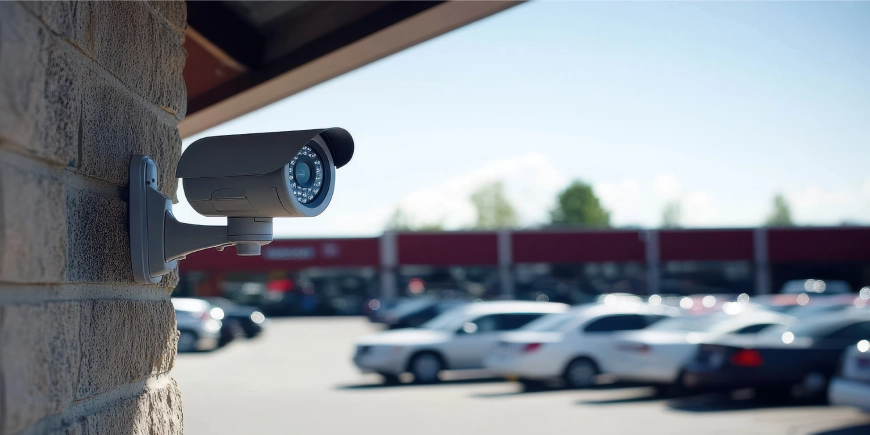
Business security is no longer optional. Whether you operate a retail store, office building, warehouse, healthcare facility, or educational institution, a well-designed surveillance system helps protect people, assets and daily operations.
When installing CCTV cameras, many business owners focus on equipment selection but overlook important planning factors that directly impact system performance. Choosing the right camera locations, storage capacity, network infrastructure and installation approach can make a significant difference in the effectiveness of your security investment.
As a trusted security camera installation company in Canada, AlfaDefence.io has seen how proper planning helps businesses maximize surveillance coverage while reducing future upgrade costs.
This guide explains five critical factors every organization should evaluate before deploying a CCTV system.
1. Identify Your Security Goals
Before purchasing cameras, clearly define what you want your surveillance system to accomplish.
Different facilities face different security challenges. A retail store may need customer monitoring and theft prevention, while a warehouse may require perimeter protection and inventory security.
Common Security Objectives
- Prevent theft and vandalism
- Monitor employee and visitor activity
- Improve workplace safety
- Protect valuable assets
- Monitor parking areas
- Record incidents for investigations
- Support compliance requirements
Understanding your goals helps determine the number of cameras, recording quality and monitoring capabilities required.
2. Select the Right Camera Technology
Not all cameras are suitable for every environment.
Businesses should evaluate camera types based on coverage needs, building layout and network infrastructure.
Wired CCTV Cameras
Wired CCTV cameras use physical cabling for data transmission and power delivery.
Advantages include:
- Stable connectivity
- Consistent video quality
- Better performance for large facilities
- Reduced signal interference
These systems are commonly used in commercial buildings, industrial facilities and large campuses.
Wireless CCTV Cameras
Wireless CCTV cameras communicate through Wi-Fi or other wireless technologies.
Benefits include:
- Easier installation
- Flexible placement options
- Faster deployment
- Simplified expansion
Many small businesses and office environments choose a wireless security camera system because it offers flexibility without extensive cabling requirements.
Wired CCTV Cameras vs. Wireless CCTV Cameras
When comparing Wired CCTV Cameras vs. Wireless CCTV Cameras, there is no one-size-fits-all solution.
Wired systems often deliver higher reliability, while wireless solutions provide greater flexibility and quicker installation. The right choice depends on your operational needs and facility layout.
3. Plan Camera Placement Strategically
Camera quality is important, but placement often determines how effective a surveillance system will be.
Poor positioning can create blind spots and reduce incident visibility.
Key Areas to Monitor
- Building entrances and exits
- Reception areas
- Parking lots
- Loading docks
- Hallways and stairwells
- Storage rooms
- Cash handling areas
- Restricted access zones
Common Placement Mistakes
- Installing cameras too high
- Ignoring lighting conditions
- Creating overlapping blind spots
- Positioning cameras behind obstacles
Professional site assessments help identify optimal locations before installation begins.
4. Consider Storage and Video Retention Requirements
Modern video surveillance security cameras generate large amounts of data, especially when recording in high definition or 4K resolution.
Businesses should evaluate how long footage must be retained and where it will be stored.
Factors Affecting Storage Needs
Number of Cameras
More cameras create more video data.
Resolution Settings
Higher image quality requires a larger storage capacity.
Recording Schedule
Continuous recording consumes more storage than motion-based recording.
Retention Policies
Many businesses retain footage for 30 to 90 days, depending on operational and compliance requirements.
Choosing the right storage solution from the beginning helps avoid unexpected costs later.
5. Plan for Future Growth
A surveillance system should support future business expansion.
Many organizations start with a basic system and later add the following:
- Additional cameras
- Access control systems
- Intrusion alarms
- AI-powered video analytics
- Remote monitoring capabilities
Scalable infrastructure reduces upgrade costs and allows businesses to adapt as security requirements evolve.
Questions to Ask
- Will additional cameras be needed?
- Are new facilities planned?
- Will AI analytics be added later?
- Is cloud monitoring part of future plans?
Businesses that plan for growth often achieve a better long-term return on investment.
Why Professional Installation Matters
Even the best cameras can underperform when improperly installed.
Professional providers of CCTV camera installation services ensure that systems are designed for maximum effectiveness.
Benefits include:
- Security assessments
- Coverage planning
- Network optimization
- Proper camera placement
- Storage configuration
- System testing and maintenance
Businesses seeking CCTV camera installation services in Halifax, CCTV camera installation services in Ottawa, or CCTV camera installation services in Calgary often benefit from working with experienced security professionals who understand commercial requirements.
Follow Industry Security Standards
Modern surveillance systems are connected devices that require proper cybersecurity protections.
The National Institute of Standards and Technology (NIST) recommends implementing secure passwords, access controls, software updates and network segmentation to protect connected security devices.
Following recognized security standards helps reduce risks while improving overall system reliability.
Conclusion
Successfully installing CCTV camera projects requires more than selecting cameras and recording equipment. Businesses must carefully evaluate security objectives, camera technology, placement strategies, storage requirements and future expansion plans.
A properly designed surveillance system improves security, supports operational visibility and protects valuable assets for years to come.
At AlfaDefence.io, we help businesses across Halifax, Ottawa, Calgary and throughout Canada implement reliable surveillance solutions that are designed for long-term performance, scalability and peace of mind.
FAQs
- What should businesses consider before installing CCTV cameras?
Businesses should evaluate security goals, camera placement, storage requirements, network infrastructure, building layout and future expansion plans before selecting a surveillance system.
- Are wired CCTV cameras better than wireless CCTV cameras?
Wired CCTV cameras generally provide better reliability and stable performance, while wireless CCTV cameras offer easier installation and greater flexibility. The best choice depends on your facility and security requirements.
- How many CCTV cameras are needed for a commercial building?
The required number depends on building size, entry points, high-risk areas and operational needs. A professional security assessment can determine the appropriate camera count and coverage.
- How long should CCTV footage be stored?
Most businesses retain footage for 30 to 90 days. Storage duration may vary depending on industry regulations, insurance requirements and internal security policies.
- Why is professional CCTV camera installation important?
Professional CCTV camera installation services ensure proper camera placement, network configuration, storage planning and system optimization, helping maximize surveillance effectiveness and long-term reliability.
- Can wireless security camera systems work in large facilities?
Yes, but network design is critical. Large facilities may require additional access points, stronger infrastructure, or hybrid solutions to maintain reliable connectivity and video quality.
- What are the benefits of scalable CCTV systems?
Scalable systems allow businesses to add cameras, integrate security technologies and expand monitoring capabilities without replacing the entire surveillance infrastructure.