
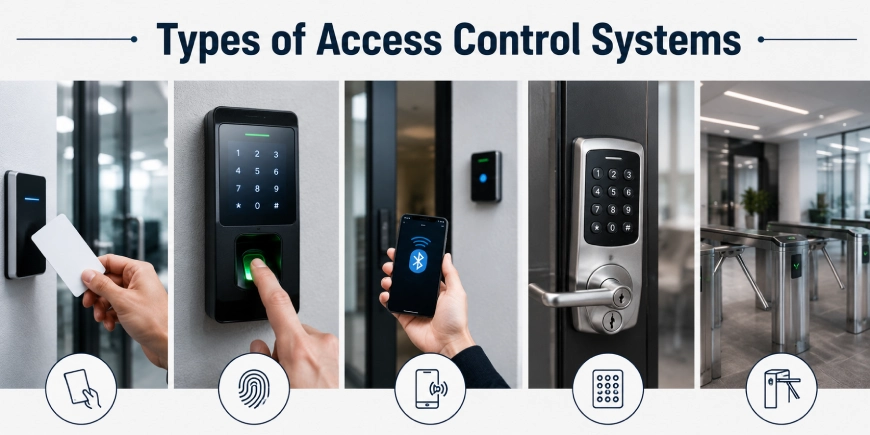
Keeping a property secure is about more than locking the front door. Businesses, schools, hospitals, apartment buildings and even homeowners need a reliable way to control who can enter their property and when. That’s where Access Control Systems come in.
Unlike traditional locks, modern access control solutions provide better security, easier user management and greater flexibility. Whether you’re protecting a small office or a large commercial facility, choosing the right system can improve safety while making day-to-day operations more efficient.
If you’re looking for a security camera installation company in Canada, it’s worth choosing a provider that also offers professional access control solutions. Combining surveillance and access control creates a more complete security system for residential and commercial properties.
What Are Access Control Systems?
An access control system is an electronic security solution that manages who can enter a building, room, or restricted area.
Instead of relying on traditional keys, users gain access through approved credentials such as:
- Key cards
- Key fobs
- PIN codes
- Mobile phones
- Fingerprints
- Facial recognition
Administrators can quickly add, remove, or change user permissions without replacing physical locks.
Types of Access Control Systems
1. Key Card Access Control Systems
Key card systems are among the most common solutions used in offices, hotels, schools and commercial buildings.
Employees or authorized users simply tap or swipe a card to unlock the door.
Benefits
- Easy to manage
- Quick user access
- Lost cards can be deactivated immediately
- Suitable for businesses with multiple employees
- Integrates with attendance and security systems
2. Key Fob Access Control Systems
Key fobs use RFID (Radio Frequency Identification) technology to unlock doors.
Users simply hold the fob near the reader without inserting a key.
Benefits
- Fast and convenient
- Durable and compact
- Easy to replace
- Works well for apartment buildings, offices and parking facilities
3. PIN Code Access Control Systems
These systems require users to enter a personal identification number on a keypad.
They’re commonly used for:
- Storage rooms
- Residential properties
- Staff entrances
- Small businesses
Benefits
- No physical keys required
- Easy credential management
- Affordable installation
- Good for locations with limited users
4. Biometric Access Control Systems
Biometric systems identify users through unique physical characteristics.
Common methods include:
- Fingerprint recognition
- Facial recognition
- Iris scanning
- Palm recognition
Benefits
- High level of security
- Eliminates lost or stolen credentials
- Difficult to duplicate
- Suitable for sensitive areas and high-security facilities
5. Mobile Access Control Systems
Modern access control allows users to unlock doors using smartphones.
Permissions can often be managed remotely through secure cloud platforms.
Benefits
- No cards or keys to carry
- Remote access management
- Easy visitor access
- Convenient for hybrid workplaces
- Supports temporary digital credentials
6. Cloud-Based Access Control Systems
Cloud-managed systems allow administrators to control access from virtually anywhere with an internet connection.
These systems are becoming increasingly popular among businesses with multiple locations.
Benefits
- Remote administration
- Centralized management
- Automatic software updates
- Scalable for growing organizations
- Real-time activity monitoring
Benefits of Access Control Systems
Improved Security
Electronic access reduces the risks associated with lost, copied, or stolen keys.
Administrators can disable credentials instantly without replacing locks.
Better User Management
Businesses can assign different permission levels to the following:
- Employees
- Managers
- Contractors
- Visitors
- Cleaning staff
This ensures users only access the areas they need.
Activity Tracking
Most modern systems maintain digital records showing the following:
- Entry times
- Exit times
- User identities
- Door locations
These logs improve accountability and simplify security investigations.
Easy Expansion
As organizations grow, additional users and doors can be added without replacing the entire system.
Professional Access Control System Installation Services designs systems that can grow alongside your business.
Integration with Other Security Systems
Access control works well alongside the following:
- CCTV cameras
- Alarm systems
- Visitor management platforms
- Intercom systems
- Building automation
An integrated solution provides better visibility and improves overall security.
Which Access Control System Is Right for You?
The best system depends on your property’s size, security requirements and budget.
Homeowners
Mobile access and keypad systems offer convenient keyless entry and remote management.
Small Businesses
Key cards and key fobs provide affordable security with easy employee management.
Commercial Buildings
Cloud-based systems simplify access across multiple departments and locations.
Healthcare Facilities
Biometric and cloud-managed systems help secure restricted medical areas and sensitive records.
Schools and Universities
Electronic access improves campus security while allowing administrators to manage staff and student access efficiently.
Why Professional Installation Matters
Even advanced security hardware performs poorly if it is not installed correctly.
Professional access control system installation services typically include:
- Site assessment
- Security planning
- Hardware selection
- Door configuration
- User credential setup
- System testing
- Staff training
- Ongoing maintenance
This structured approach helps ensure reliable performance and easier future upgrades.
Industry Standards Improve Reliability
Professional installers follow recognized security and networking standards when designing access control solutions.
Organizations such as the Security Industry Association (SIA) provide guidance and best practices that help improve the design, implementation and long-term reliability of electronic access control systems.
Choosing the Right Access Control System Services Company
When selecting an access control system services company, look for one that:
- Conducts a detailed site survey
- Recommends solutions based on your needs
- Uses trusted hardware
- Integrates with CCTV and alarm systems
- Tests the complete installation
- Provides user training
- Offers ongoing maintenance and technical support
An experienced installer ensures your system remains reliable as your security requirements evolve.
Access Control System Services Across Canada
Whether you need Access Control System Services in Halifax, Access Control System Services in Ottawa, or Access Control System Services in Calgary, choosing experienced professionals helps ensure your security system is designed for long-term performance and future expansion.
Conclusion
Modern access control systems provide much more than keyless entry. They improve security, simplify user management, support remote administration and integrate with other security technologies to create a safer environment.
Whether you manage a home, office, school, healthcare facility, warehouse, or commercial building, investing in professional access control system installation services helps protect people, property and valuable assets for years to come.
At Alfa Defence.io, we design and install reliable access control solutions that help property owners across Canada build smarter, more secure and scalable security systems.
Frequently Asked Questions
- What are the main types of access control systems?
The most common access control systems include key card systems, key fob systems, PIN keypad systems, biometric systems, mobile access solutions and cloud-based platforms. Each offers different levels of convenience, security and management depending on your property’s needs.
- Are access control system installation services suitable for small businesses?
Yes. Professional Access Control System Installation Services help small businesses improve security, manage employee access and reduce the risks associated with lost or copied keys. These systems can also grow as the business expands.
- Can access control systems integrate with CCTV cameras?
Yes. Most modern access control systems integrate with CCTV, alarm systems, visitor management platforms and intercoms. This allows businesses to monitor entry events alongside video footage for improved security and incident investigations.
- Which industries benefit the most from access control systems?
Healthcare facilities, schools, offices, hotels, warehouses, government buildings, financial institutions, apartment complexes and manufacturing facilities all benefit from electronic access control because they require secure, flexible and easy-to-manage entry systems.
- Are Access Control System Services in Halifax, Ottawa and Calgary available for residential properties?
Yes. Many providers offer access control system services in Halifax, access control system services in Ottawa and access control system services in Calgary for homes, condominiums, apartment buildings, offices and commercial properties.
- How do I choose the right access control system services company?
Choose an access control system services company with experience in system design, professional installation, security integration, user training, ongoing maintenance and scalable solutions that can adapt to your property’s future security requirements.